The electric vehicle industry has grown rapidly in recent years. China has become a major global production base for EVs and power batteries, while battery manufacturers are also expanding into Europe, North America, and other markets.
As battery production and international shipping continue to increase, one question becomes more important: what happens to the battery packaging waste after use?
EV batteries are high-value products that require reliable protection during storage, handling, and transportation. EPP foam, or expanded polypropylene foam, is widely used in battery packaging because it is lightweight, impact-resistant, resilient, reusable, and recyclable.
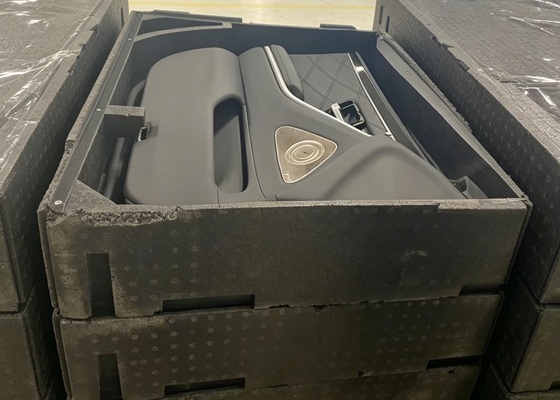 Why EPP Foam Is Used for Battery Packaging
EPP foam works like a protective cushion for batteries. It helps absorb shocks, reduce vibration, and prevent damage to battery modules, packs, and related components during transport.
For battery manufacturers, automotive suppliers, and packaging companies, EPP packaging is not only protective but also suitable for repeated use. Compared with single-use packaging materials, EPP foam fits better with today’s circular economy goals.
However, once these packaging materials reach the end of their service life, they can quickly become a storage and logistics problem.
 The Challenge of EPP Battery Packaging Waste
EPP foam is strong, flexible, and highly resilient. These advantages make it ideal for protective packaging, but they also make the material harder to process.
Loose EPP packaging waste is bulky and lightweight. It takes up large warehouse space and fills trucks quickly, but the actual weight is low. For recycling companies, shipping loose EPP foam is often not cost-effective.
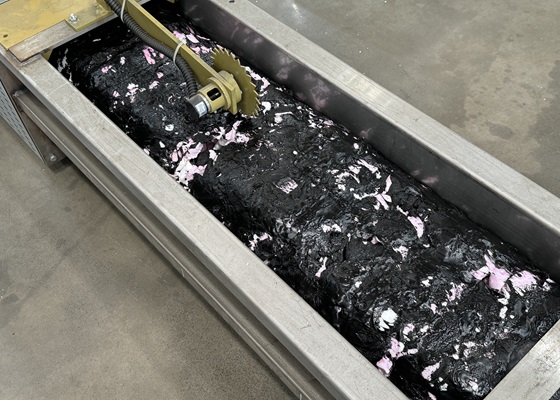
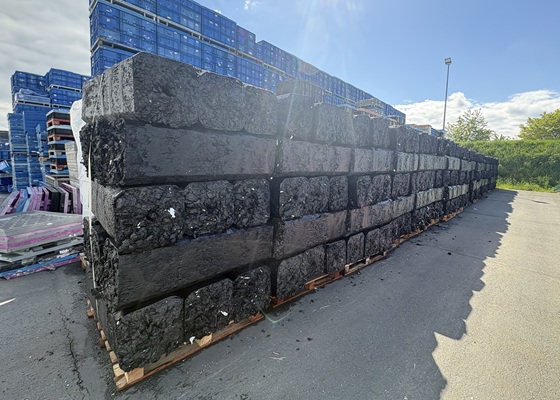
That is why the first step in EPP foam recycling is usually volume reduction. By using a foam compactor, loose EPP foam can be compressed into dense blocks, making it easier to store, transport, and sell.
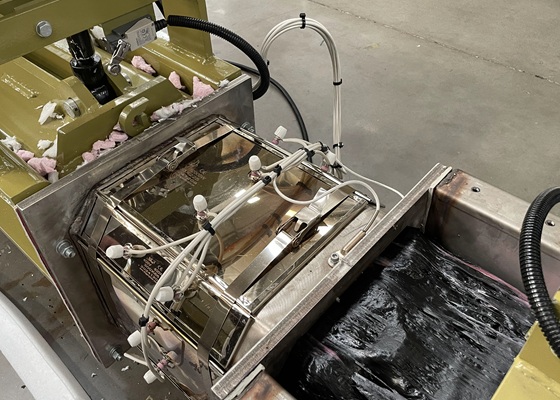 Why Cold Compression Is Suitable for EPP Foam
For EPP foam waste, common processing methods include melting and cold compression. For battery packaging waste, cold compression is often a practical option, especially when the material needs to enter downstream recycling and pelletizing processes.
A foam compactor reduces volume through crushing and screw compression, instead of fully melting the material. This offers several advantages:
- Lower energy consumption
- Better material appearance for downstream buyers
- Easier sorting and reprocessing
- Better suitability for pelletizing and material modification
- Higher potential value in recycling channels
For battery packaging companies and recyclers, this means bulky, low-value foam waste can become a compact, marketable recycled resource.
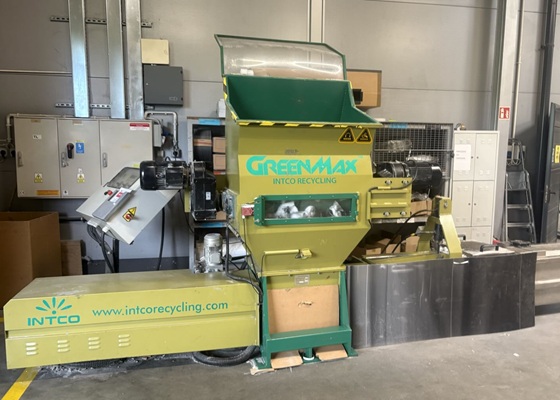
 GreenMax Supports Expanded Polypropylene Recycling
GreenMax provides foam compactor solutions for EPP battery packaging waste. The equipment can first crush large EPP packaging parts and then compress them into high-density blocks, greatly reducing storage and transportation pressure.
Battery packaging waste usually comes from industrial production and logistics systems, so the material is often relatively clean and stable. This makes it a good source for expanded polypropylene recycling.
After compaction, EPP foam blocks can be further crushed, pelletized, modified, and reused in new plastic products, injection-molded parts, automotive components, and industrial applications.
 Buyback Service and PP Material Experience
In addition to equipment solutions, GreenMax can also provide buyback support for suitable EPP and EPS foam materials. Depending on material quality, color, cleanliness, density, and market conditions, the reference buyback price is around USD 500 per ton. The final price should be confirmed based on material inspection and current market conditions.
As part of INTCO Recycling, GreenMax also has experience in recycled PP material modification and downstream applications. This helps customers not only compact EPP foam waste, but also connect the material to a more complete recycling value chain.
EPP Foam Recycling in the Battery Supply Chain
The growth of electric vehicles is increasing demand not only for batteries, but also for protective packaging, trays, separators, and logistics materials. Without proper treatment, EPP battery packaging waste can become bulky, costly, and difficult to manage.
With the right foam compactor, this waste can be turned into compact blocks with commercial value.
For battery manufacturers, automotive suppliers, packaging companies, and recyclers, EPP foam recycling is more than an environmental solution. It is also a way to reduce logistics costs, improve waste value, and support a more efficient recycling business.
GreenMax helps transform bulky EPP battery packaging waste into a recyclable material with real market potential.