EPS (often called Styrofoam) is widely used in packaging—cushion pads, corner protectors, inserts, molded packaging parts, and more. But for EPS packaging manufacturers, cutting, trimming, grooving, and prototyping almost always generate a large volume of scrap and offcuts. These materials share the same challenges: high volume, low density, fast accumulation, and expensive transportation. If not managed properly, EPS scrap can eat up warehouse space, increase hauling frequency, and even disrupt shop-floor workflow and cleanliness.
So if you’re thinking about Styrofoam recycling, the real question isn’t just “Can it be recycled?”—it’s how to recycle it profitably, ship it efficiently, and keep the recycling flow stable.
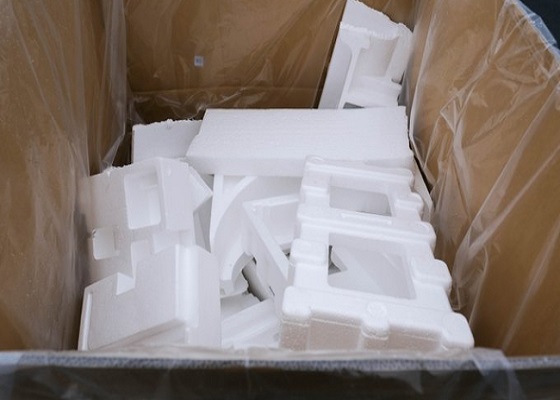
1) The Core Challenge: Volume vs. Cost
EPS value is often limited less by the material itself and more by logistics costs. Loose EPS is extremely inefficient to transport: trucks don’t fill well, handling is labor-intensive, and storage takes up significant space. Many plants find recycling “a hassle” because the revenue doesn’t cover the logistics and management costs.
That’s why the first step toward a sustainable program is usually simple: reduce the volume and bring transportation costs down.
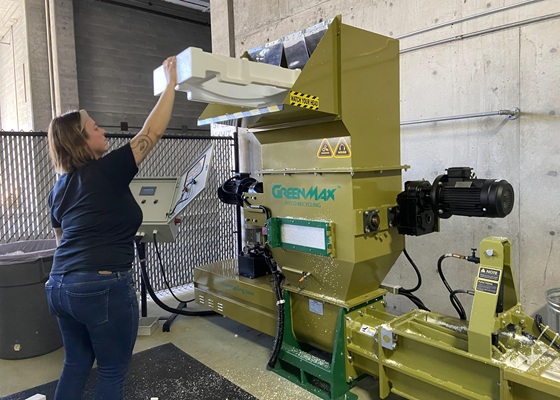
2) The Best-Fit Approach for Many Plants: Add Value with an EPS Compactor
For most EPS packaging manufacturers, an EPS compactor is the most direct and easiest solution to implement:
-
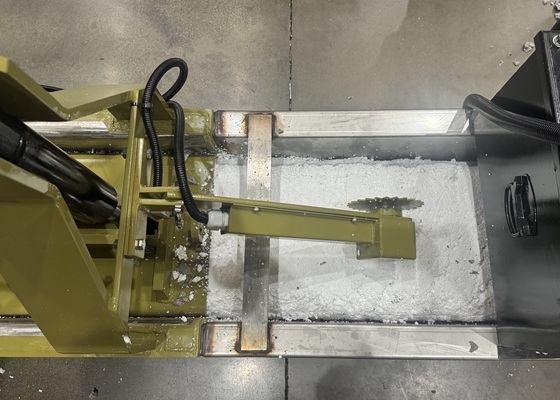
Compress loose scrap/offcuts into dense blocks
-
Less space at the same weight → fewer pickups
-
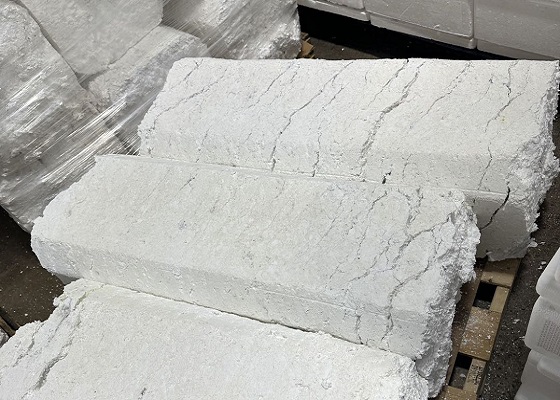
Uniform blocks are easier to stack, load, measure, and trade
-
Compared to loose EPS or basic shredded material, compressed blocks are often more accepted by downstream buyers
This is also why many recycling chains prefer selling compressed blocks:
they look and move more like a standardized commodity, which lowers transaction and handling costs.
3) How Selling Compressed Blocks Creates a More Reliable Revenue Loop
Once you turn EPS scrap into blocks, you have more options:
Path A: Sell the blocks directly (simple, faster cash return)
Ideal for plants that want to quickly reduce storage volume, cut hauling frequency, and monetize scrap. With consistent block size and easier loading, buyers are often more willing to purchase on a stable, recurring basis.
Path B: Use blocks as feedstock for future processing (keep the door open)
If you plan to invest later in a more complete recycling line (internal reuse or downstream partnerships), compressed blocks can serve as a stable input and make warehouse and production planning easier.
4) Practical Tips to Make Styrofoam Recycling Work on the Floor
To make Styrofoam recycling run smoothly, start with these basics:
-
Source separation: keep scrap as clean as possible (less tape, labels, dust, contamination)
-
Centralized collection: set collection points near cutting/molding stations to reduce extra handling
-
Standard compaction and stacking: stable block size makes storage and buyer coordination easier
-
Set a shipping rhythm: consistent weekly or monthly volume improves pricing and logistics efficiency
EPS Scrap Isn’t a Burden—It’s a Manageable Recyclable Material
For EPS packaging manufacturers, recycling scrap isn’t “extra work.” It’s a chance to turn a cost into an asset. By using an EPS compactor to convert loose EPS into standardized compressed blocks—and building a stable channel for selling those blocks—you’ll often find recycling becomes more than just a disposal task. It becomes a more sustainable, repeatable revenue stream.
If you’d like, GreenMax can also recommend a more concrete plan based on your output (daily/monthly EPS scrap volume), available space, and loading method—covering block specs, stacking layout, and shipping frequency.
Открыв пост с разной игрой вы можете играть прямо
сейчас, без закачки и инсталляции.
my web site ramblermails.com