Across the United States, Styrofoam, commonly referring to EPS foam, is widely used in appliance packaging, electronics protection, furniture shipping, e-commerce parcels, and other protective packaging applications. It is lightweight, cost-effective, and excellent at cushioning products during transportation.
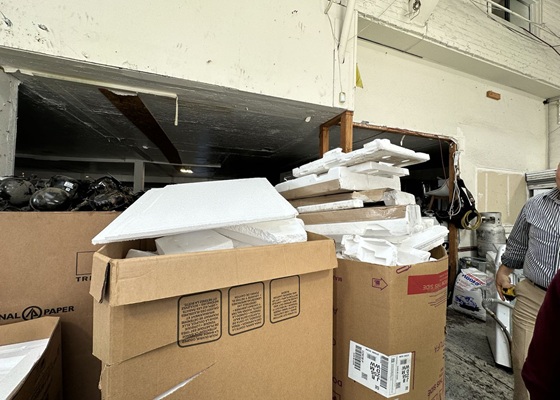
But after use, Styrofoam quickly becomes a space problem.
For small recyclers, warehouse operators, retailers, logistics centers, and manufacturing plants, the main challenge is not whether EPS foam can be recycled. The real issue is that it is bulky, lightweight, and expensive to move. A truck can be filled with loose foam, but the actual weight of the material is very low. As a result, transportation costs can easily reduce or even eliminate its recycling value.
That is why more U.S. businesses are asking a practical question: how to recycle EPS foam in a more cost-effective way?
Where Can a Small Foam Densifier Be Used?
Compared with a large recycling line, a compact hot-melt foam densifier is more suitable for businesses with limited space, steady but moderate foam volume, and a need to reduce material volume on site.
It does not require a large production area or a complicated pre-processing system. The equipment can often be installed in a warehouse, recycling center, distribution facility, or production plant.
Common application scenarios include:
1. Retailers and Warehouse Centers
Retailers and warehouses often generate EPS packaging from appliances, electronics, furniture, and fragile goods. If loose foam is stored without treatment, it quickly takes up valuable floor space.
With a small foam densifier, loose EPS foam can be processed into dense hot-melt blocks directly on site, helping reduce storage pressure and improve material handling.
2. Logistics Centers and E-Commerce Warehouses
In logistics and e-commerce operations, many products arrive with EPS protective packaging. Loose foam can quickly fill storage areas and waste containers.
By using a compact foam densifier, businesses can turn lightweight packaging waste into denser blocks that are easier to store, move, and ship to downstream recyclers.
3. Appliance and Electronics Manufacturers
Manufacturers of appliances, electronics, and precision equipment often generate a steady amount of EPS packaging waste. If the foam is stored loosely, it affects plant space and increases waste removal costs.
A small foam densifier helps manufacturers reduce volume at the source and make their packaging waste easier to manage.
How Does a Small Foam Densifier Solve the Problem?
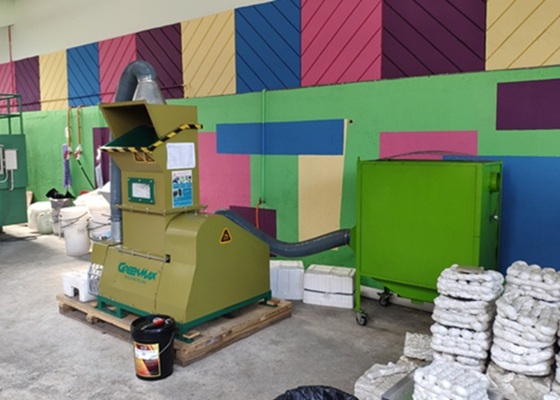
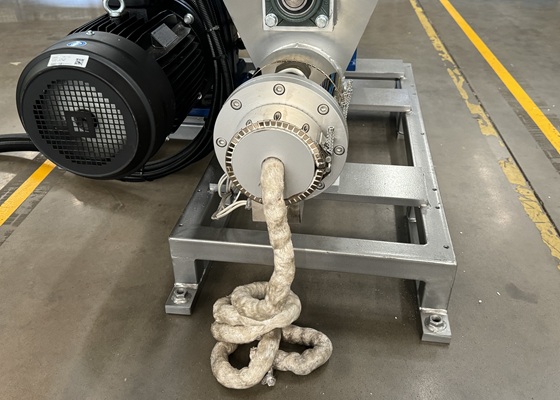
The core function of a GreenMax compact hot-melt densifier is simple: it turns loose EPS foam into denser blocks that are easier to store, transport, and sell.
First, it saves space. Loose EPS foam takes up a large amount of room, but after hot-melt densification, the volume is greatly reduced.
Second, it lowers transportation costs. Denser foam blocks allow more actual material weight to be loaded into the same truck or container.
Third, it improves resale potential. Loose foam is often difficult to sell because transportation is inefficient. Densified EPS blocks are easier to move into downstream recycling, pelletizing, and reuse channels.
For businesses looking to develop Styrofoam recycling, a small foam densifier lowers the entry barrier. They do not need to build a large recycling plant at the beginning. They can start by reducing volume on site and building a more stable material collection process.
Why Small Equipment Fits the U.S. Market
In the U.S., EPS foam waste often comes from distributed sources: retailers, warehouses, logistics centers, manufacturers, community collection points, and small recyclers. Transporting all loose foam to a distant recycling facility can be costly and inefficient.
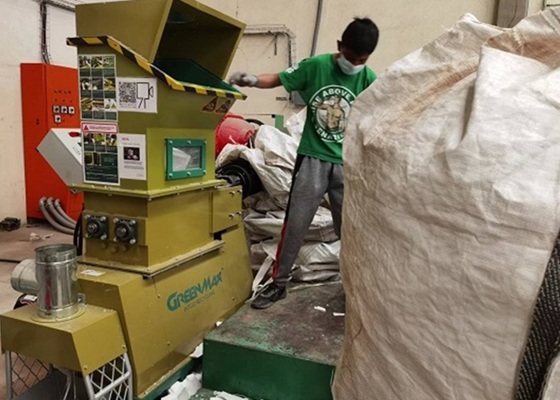
A small foam densifier moves the first step of recycling closer to the source. Businesses can reduce volume before transportation, making collection and resale more practical.
The equipment is also easier to operate and maintain, which makes it suitable for companies that are just starting to organize foam recycling or want a simple solution for their own packaging waste.
GreenMax Provides More Than Equipment
For customers, buying a machine is only the first step. The bigger question is whether the densified foam blocks can be handled, transported, and sold more efficiently.
GreenMax can recommend a suitable foam densifier based on the customer’s EPS foam source, daily volume, available space, and downstream recycling needs. GreenMax can also provide practical advice on material quality, block formation, operation methods, and how to improve the value of densified foam.
For businesses asking how to recycle EPS foam, a compact densifier is often a realistic starting point. It helps solve the most common problems first: too much volume, high transportation cost, and low material value in loose form.
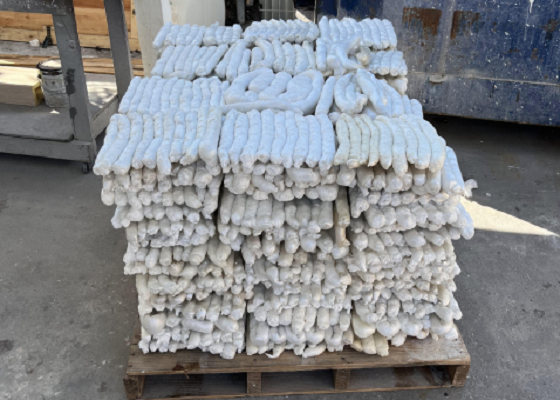
Styrofoam waste does not have to keep filling warehouses, dumpsters, or trucks. With a compact GreenMax foam densifier, retailers, logistics centers, manufacturers, and recyclers in the U.S. can reduce volume, improve material handling, and make Styrofoam recycling more efficient.
From loose foam waste to dense recyclable blocks, EPS foam recycling can start with a small machine and create a much bigger impact.