EPP (expanded polypropylene) is widely used in automotive cushioning parts, returnable transport packaging, and appliance inserts thanks to its excellent impact resistance, fatigue resistance, and reusability. As a result, large volumes of EPP scrap and end-of-life products are generated and need to be recycled.
However, in real-world EPP recycling, many companies face the same challenge: the material is lightweight but bulky. Without volume reduction, transportation and storage costs can quickly eat into margins and even turn recycling into a burden. That’s why, to make foam recycling a long-term, stable, and profitable business, volume reduction is often the first step.
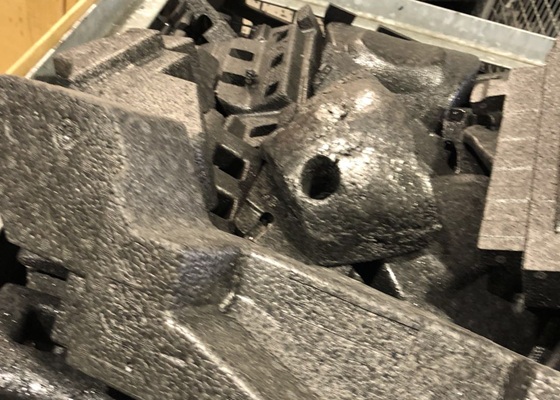
Foam compactor: turning “air transport” into “material transport”
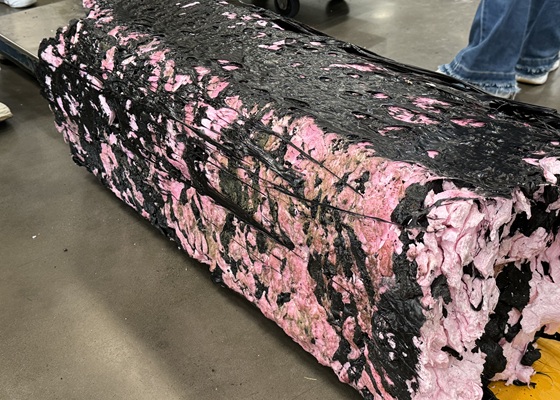
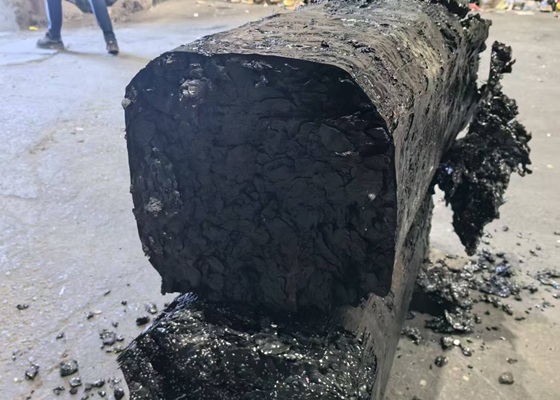
A foam compactor shreds and continuously compresses EPP, reducing overall volume by up to 50:1 and forming irregular scrap into uniform, high-density blocks (300 × 300 mm cross-section, adjustable length).
After processing with a foam recycling machine, bulky and rigid EPP foam becomes neat, stackable blocks—saving warehouse space, lowering handling costs, and improving logistics efficiency. In transport and trading, a single truck carries more usable weight, trips are reduced, and cost per ton drops, while weighing, delivery, and pricing become easier.
In short, a foam compactor tackles the most expensive part of foam recycling—logistics and storage. For many factories, starting with an EPP compactor to ease current waste pressure, then expanding or adding a pelletizing line as volumes grow, is a more stable, lower-risk investment path.
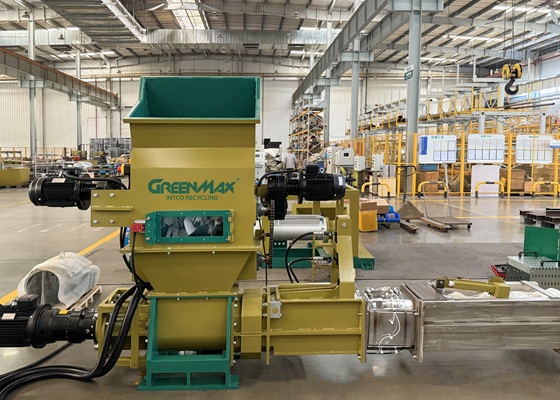
Investment Recommendation: Solve Logistics First, Then Consider Downstream Processing
Key point: Not every company needs to build its own pelletizing line right away. If your biggest pain points are storage and transportation costs, investing in an EPP compactor first is often more cost-effective and less risky than buying a full pelletizing system.
Foam compactors require lower investment, are easy to operate, and have low maintenance costs—yet they effectively reduce foam volume and allow you to sell compressed blocks at a good price. In contrast, pelletizing equipment has higher upfront and maintenance costs, and requires more skilled operators and process management, even though R-PP pellets can fetch higher prices.
GreenMax’s Zeus series foam compactor uses screw extrusion plus surface heat-fusion, making it more energy-efficient than traditional foam densifiers. It also prevents loose foam fragments from spilling out, offering a more stable and eco-friendly recycling solution.
The Key to Higher Prices: Sort First, Compress Later
To get better pricing for EPP compressed blocks, sorting and contamination control are essential before compression.
The biggest value killers in EPP recycling are tape, film, metal, mixed foam types, and oil contamination.
Practical tips that work:
-
Sort by source: Keep automotive EPP, packaging EPP, and appliance EPP separate
-
Sort by color: More consistent color improves downstream pelletizing and reuse
-
Contamination checks: Quick inspection before storage reduces downstream processing costs
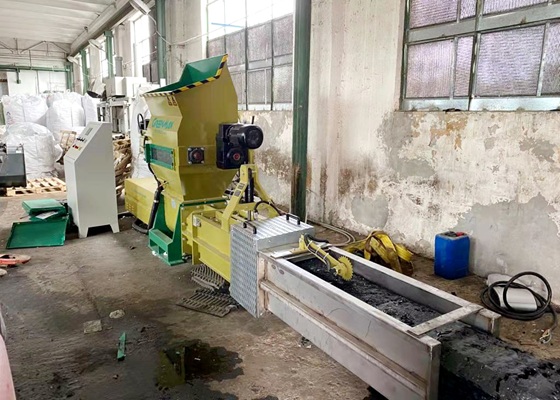
Top 5 Parameters to Consider When Buying a Foam Compactor
-
Capacity (kg/h): Match current daily volume and leave room for future growth
-
Compressed density / volume ratio: Directly impacts transportation and storage efficiency
-
Feeding method: Manual feeding vs. conveyor integration affects efficiency and labor needs
-
Core component quality: Long-term stability matters more than specs on paper
-
After-sales service: Downtime is costly—fast support is critical
EPP Recycling|FAQ
Q1: Do you have to pelletize EPP foam to recycle it?
Not necessarily. Many companies first use an EPP compactor to reduce volume and lower logistics costs, then decide later whether to pelletize based on downstream channels, business plans, and regulations.
Q2: How can I get a higher price for EPP compressed blocks?
The key is stable supply + stable compression. Clean, consistent-source EPP with minimal contamination, stable color, and dense compression has lower downstream costs and stronger bargaining power.
Q3: What’s the most cost-effective first step in foam recycling?
In most cases, investing in a foam compactor offers the best ROI. Transportation is the main cost driver in EPP recycling, so reducing volume first can significantly lower overall costs and improve profit margins.