As more businesses look to reduce waste disposal costs and improve sustainability, investing in an EPS recycling machine has become an effective solution. Industries such as appliance manufacturing, electronics, furniture, seafood processing, packaging, and logistics generate large volumes of expanded polystyrene (EPS) foam every day. Without proper recycling equipment, bulky EPS waste occupies valuable warehouse space, increases transportation costs, and often ends up in landfills.
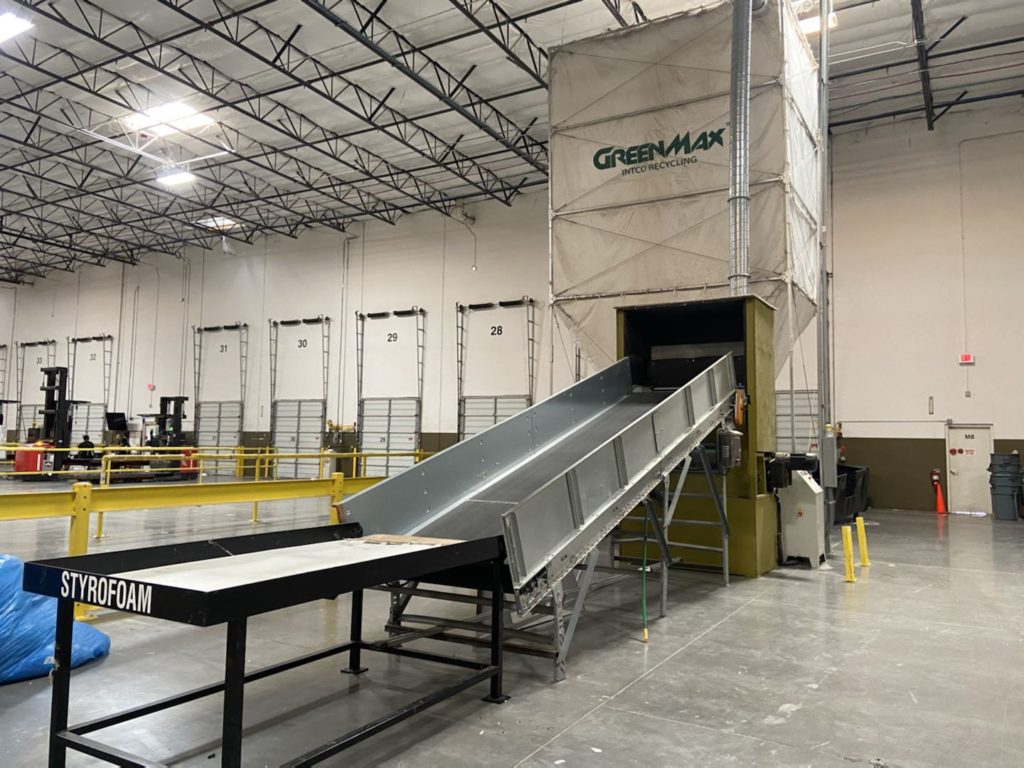
Choosing the right EPS recycling machine is an important investment that can improve recycling efficiency and deliver long-term cost savings. Before purchasing an EPS densifier or EPS compactor, here are four key factors every business should consider.
1. Define Your Budget and Expected Return
Budget is one of the first considerations when selecting an EPS recycling machine. Instead of focusing only on the purchase price, businesses should evaluate the machine’s overall return on investment (ROI). A suitable recycling system can significantly reduce landfill fees, labor costs, transportation expenses, and storage requirements. In many cases, compressed EPS blocks or ingots can also be sold to recyclers, creating an additional revenue stream that helps recover the investment more quickly.
2. Evaluate Your Recycling Volume
Different recycling operations require different machine capacities. Small retailers or distribution centers may only generate a few cubic meters of EPS waste each week, while manufacturers and recycling facilities may produce several tons every day. Selecting a machine with the appropriate processing capacity ensures efficient operation without unnecessary investment. GREENMAX offers a range of EPS recycling machines suitable for both small businesses and high-volume industrial applications.
3. Choose the Right EPS Recycling Technology
There are two common types of EPS recycling equipment: EPS compactors and EPS densifiers.
- EPS compactors use cold compression technology to reduce foam volume by up to 50:1 without heating. They are energy-efficient and ideal for clean EPS packaging waste.
- EPS densifiers use thermal melting technology to compress EPS into high-density ingots with a compression ratio of up to 90:1. They are ideal for businesses that require maximum volume reduction and lower transportation costs.
Choosing the right technology depends on your material type, recycling volume, operating environment, and downstream recycling requirements.
4. Consider Available Installation Space
Before purchasing an EPS recycling machine, businesses should carefully evaluate their available workspace. Machine dimensions, material feeding methods, conveyor systems, and storage areas for compressed blocks or ingots should all be considered. A well-designed recycling layout not only improves operational efficiency but also creates a safer and more organized production environment. Selecting equipment that matches your facility’s available space can maximize productivity while minimizing workflow disruptions.
Choose a Reliable EPS Recycling Partner
Purchasing an EPS recycling machine is more than buying equipment—it’s investing in a long-term recycling solution. In addition to machine quality, businesses should consider technical support, after-sales service, spare parts availability, and whether the supplier can provide a complete recycling system, including buy-back programs for recycled EPS materials.
As a professional manufacturer of EPS recycling machines, GREENMAX provides EPS compactors, EPS densifiers, and complete foam recycling solutions for customers worldwide. With extensive industry experience and proven recycling projects across multiple industries, GREENMAX helps businesses reduce waste disposal costs, improve recycling efficiency, and achieve their sustainability goals.
FAQ
1. What is the difference between an EPS compactor and an EPS densifier?
An EPS compactor uses cold compression to reduce foam volume, while an EPS densifier uses heat to melt and compress EPS into high-density ingots for easier transportation and recycling.
2. Which industries need an EPS recycling machine?
Industries including furniture, electronics, home appliances, seafood processing, logistics, packaging, construction, and recycling centers commonly use EPS recycling machines.
3. How much space can an EPS recycling machine save?
Depending on the machine type, EPS recycling equipment can reduce foam volume by 50:1 to 90:1, significantly lowering storage and transportation requirements.